Antique Robots productions are pictures the company is making. Case studies and credits are career work carried by the people who lead Antique Robots, with each role named.
Antique Robots productions
Pictures the company is making.
Screenings are private; a producer can open access for you.
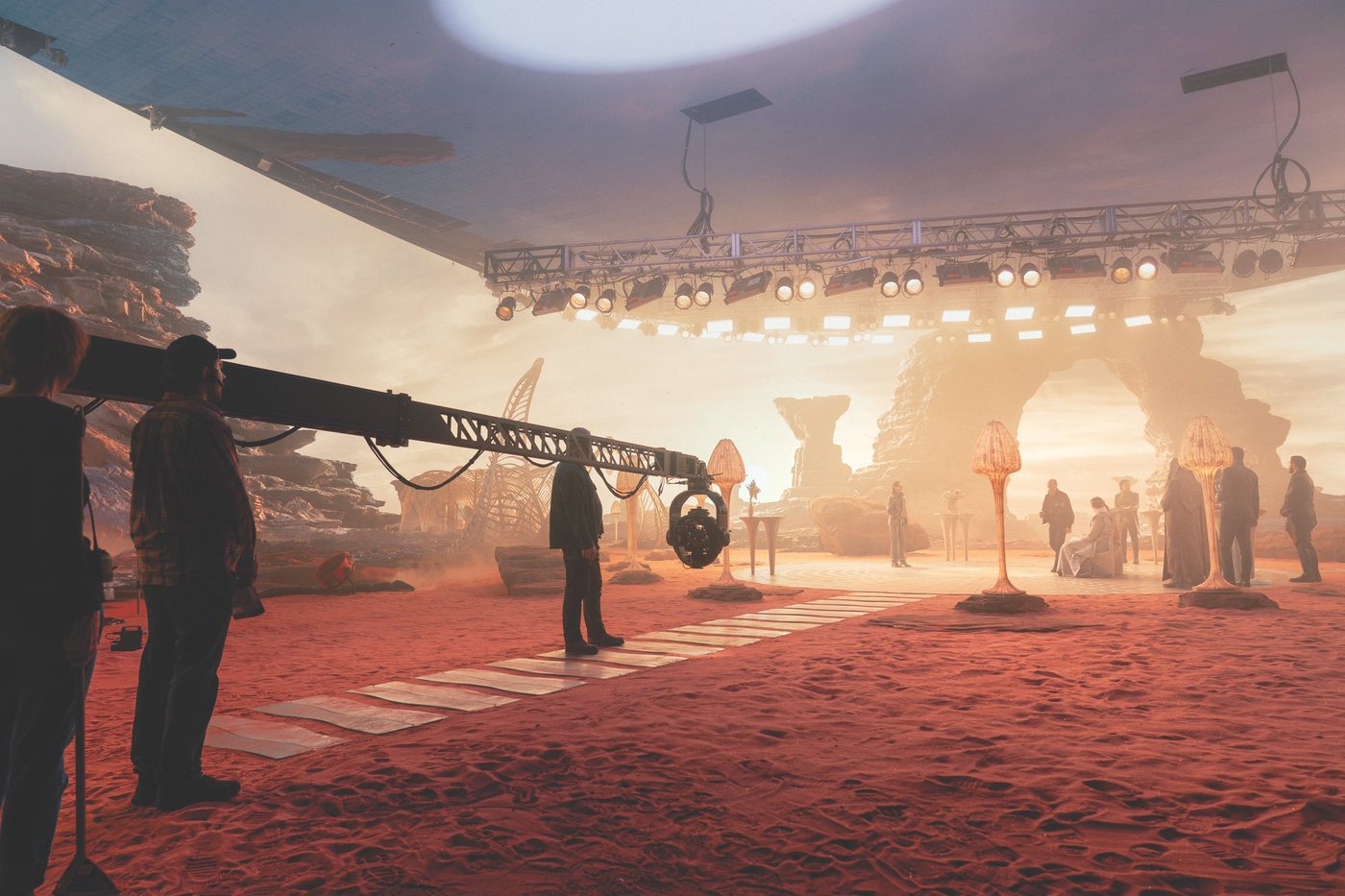
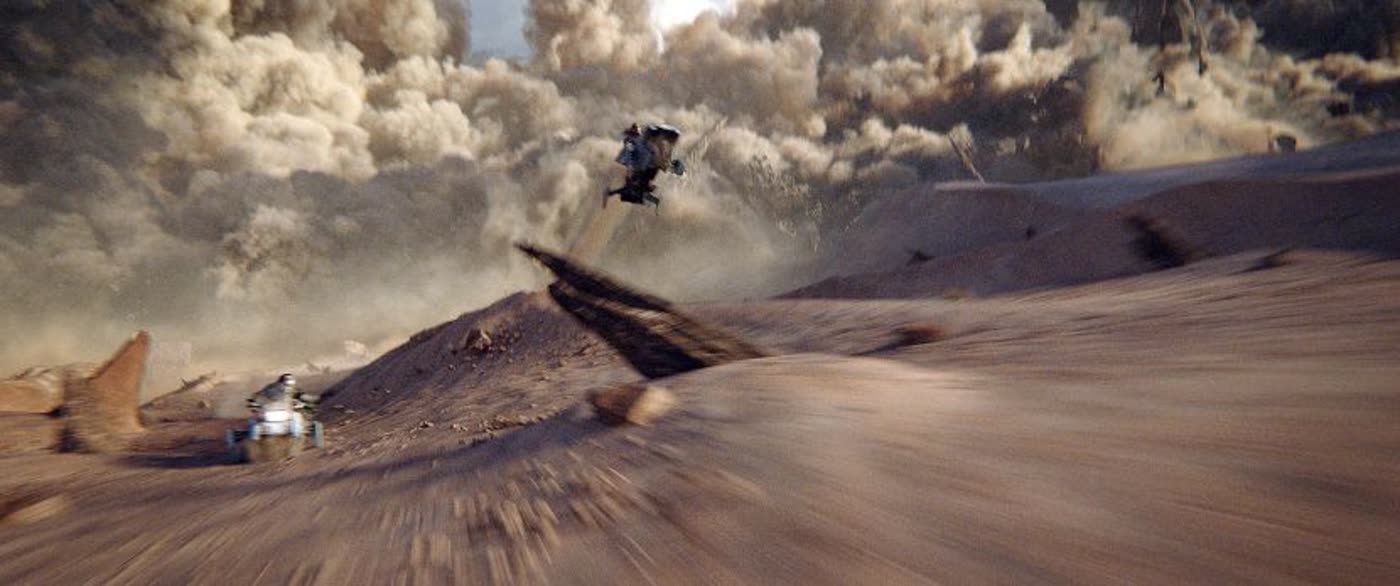
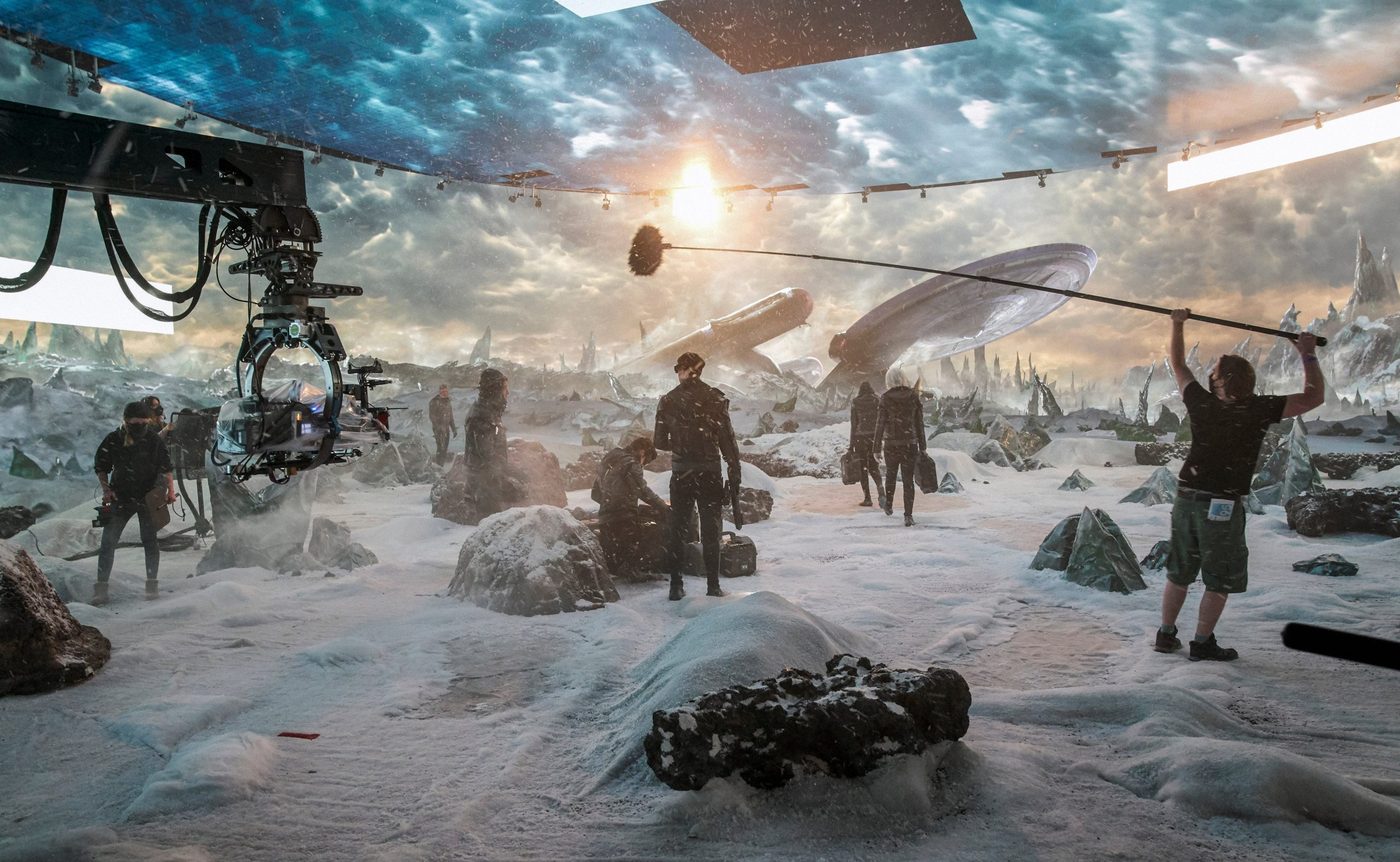
The problem — The inaugural season combines virtual production, digital characters, space sequences and motion graphics — the subjects Jason Zimmerman discusses in his befores & afters interview.
The result — The published interviews cover the inaugural season's cinematography and visual effects, including LED-wall shooting, character work, space sequences and screen graphics.
Jason Zimmerman · Supervising executive and lead visual effects supervisor
Brian Tatosky · Visual effects supervisor
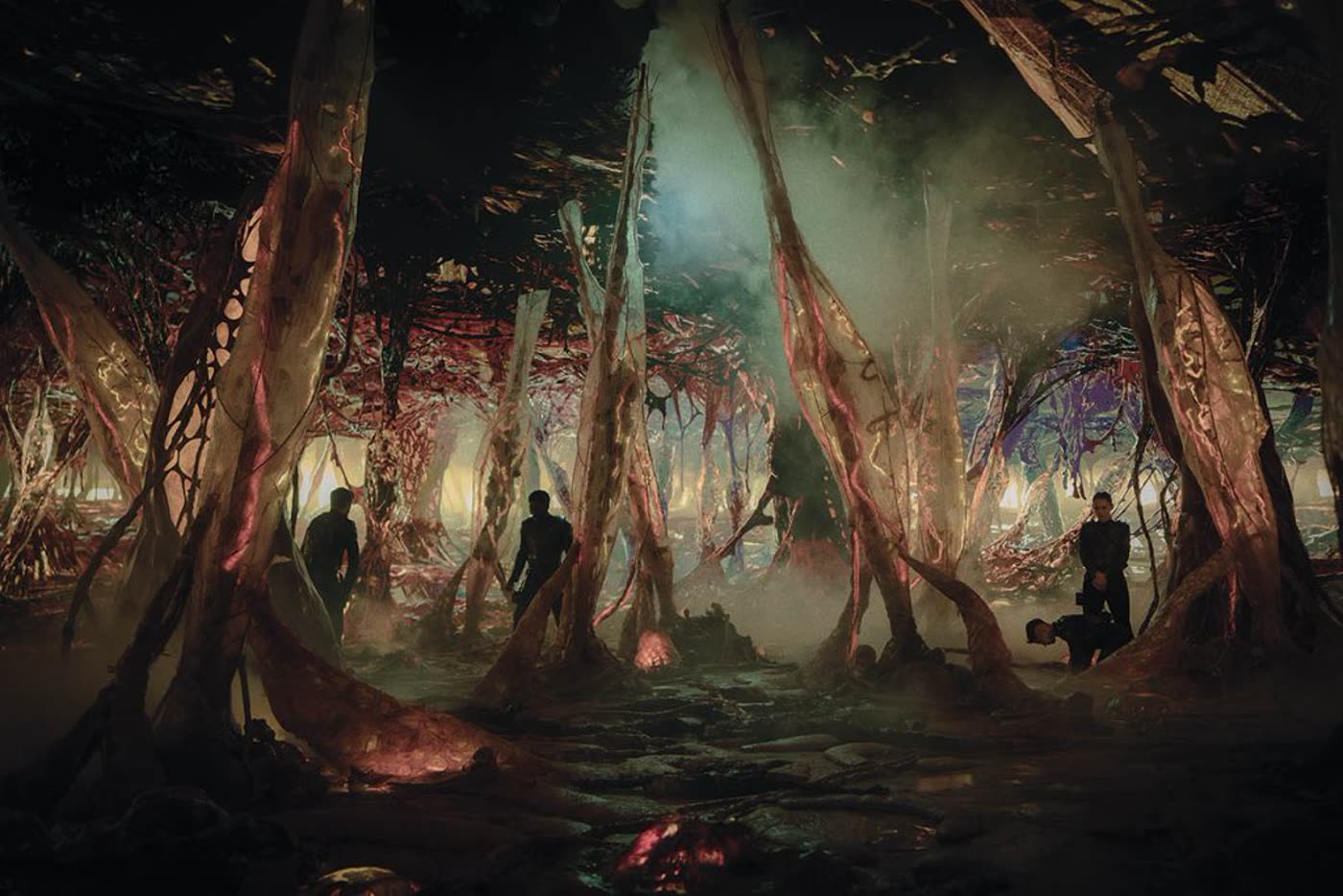
The problem — A third season expected to widen the show's world, on the same episodic reality — with sets the cast actually has to operate, creature environments to invent, and a large space engagement to stage.
The result — Sets the cast could operate for real, with graphics running live rather than deferred to post.
Jason Zimmerman · Visual effects supervisor across the franchise's Discovery and Strange New Worlds work
The problem — Two concurrent series, each with its own visual identity, both requiring large-scale environments on episodic dates. Pushing every environment into post is slow, expensive and takes the world away from the actors and the cinematographer on the day.
The result — Actors and camera working against real, lit environments during photography rather than against empty blue.
Jason Zimmerman · Lead visual effects supervisor / supervising producer
Aleksandra Kochoska Dekovic · Senior visual effects producer
The problem — A continuation of a film with a distinctive, much-loved visual identity had to establish that time had passed and that this was its own picture — while remaining, fundamentally, a drama about people.
The result — A science-fiction premise carried inside a character drama, without the effects work reading as a separate layer bolted onto the photography.
Jason Zimmerman · Oversaw the production-side implementation and process of integrating the virtual-production wall into the filmmaking pipeline
The problem — How do you repeatedly create large, cinematic worlds against episodic schedules and production realities without pushing everything into post?
The result — Large-scale environments created on stage, with control over the conditions of the shot.
Doug Aarniokoski · Director and executive producer on the series; directed the season finale
Jason Zimmerman · Visual effects supervisor on the series
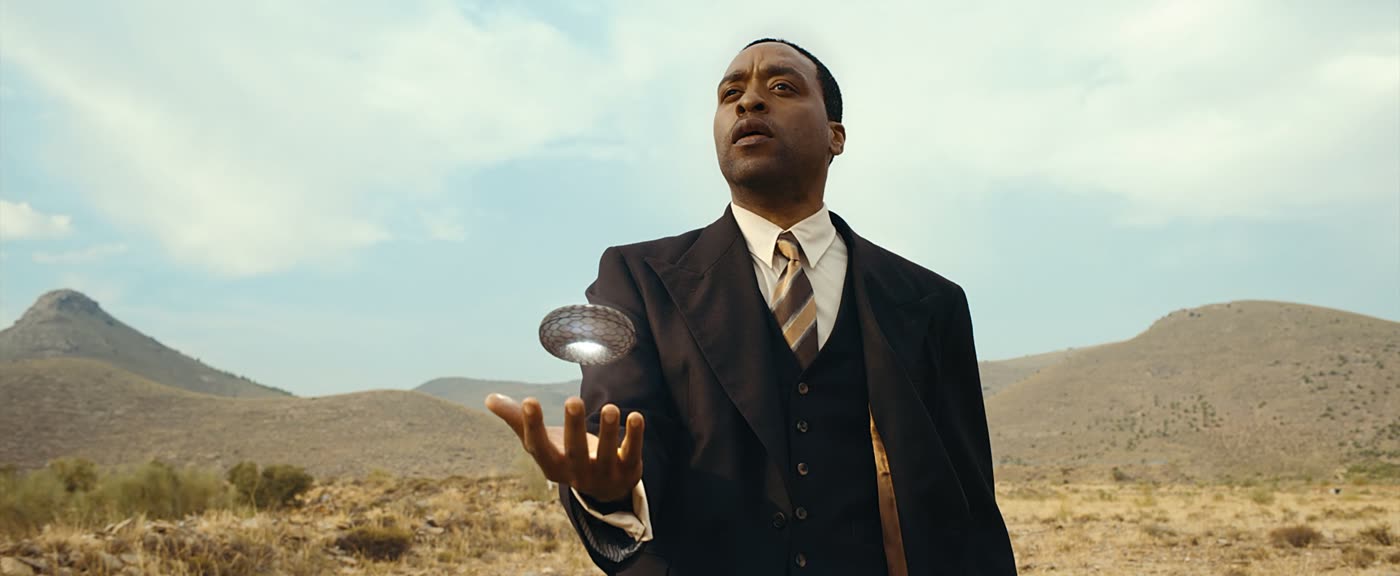
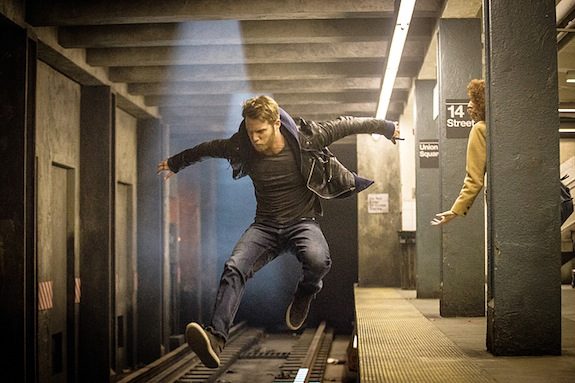
The problem — A network drama with a full-season order had to put the audience inside a character's altered perception every week, on an episodic schedule, while shooting out in a city that does not stop for a film crew.
The result — A recognisable visual grammar for the character's cognition that could be produced repeatedly across a network season.
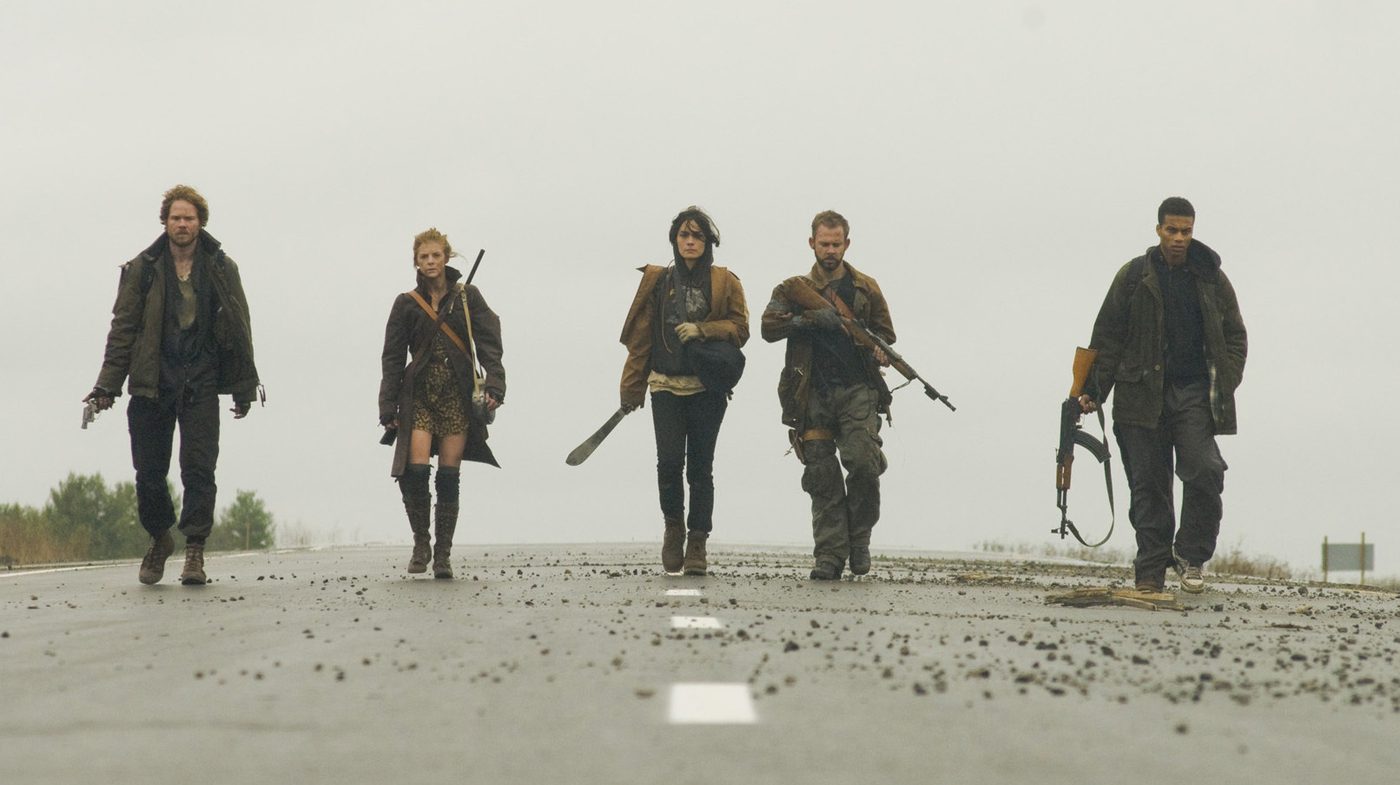
The problem — A contained, character-driven survival film with a hard resource ceiling, a compressed schedule and a second half that plays as one sustained siege in effectively one location.
The result — A finished feature whose physical realism reads on screen because it was photographed, not manufactured.
Credits carried by the leadership of Antique Robots across directing, producing, production leadership, visual effects, virtual production and creative technology. Roles differ by project; these credits belong to the individuals who carried them.
Star Trek / franchise
Star Trek: Discovery
Star Trek: Strange New Worlds
Star Trek: Picard
Star Trek: Section 31
Star Trek: Starfleet Academy
Feature film
Mission: Impossible — Ghost Protocol
Guardians of the Galaxy Vol. 3
The Hunger Games
The Hunger Games: The Ballad of Songbirds & Snakes