
Danny Boyle · September 7, 2026
Danny Boyle Details Generative AI Use in Period Drama Ink
GamesRadar+ · News Article
What happened
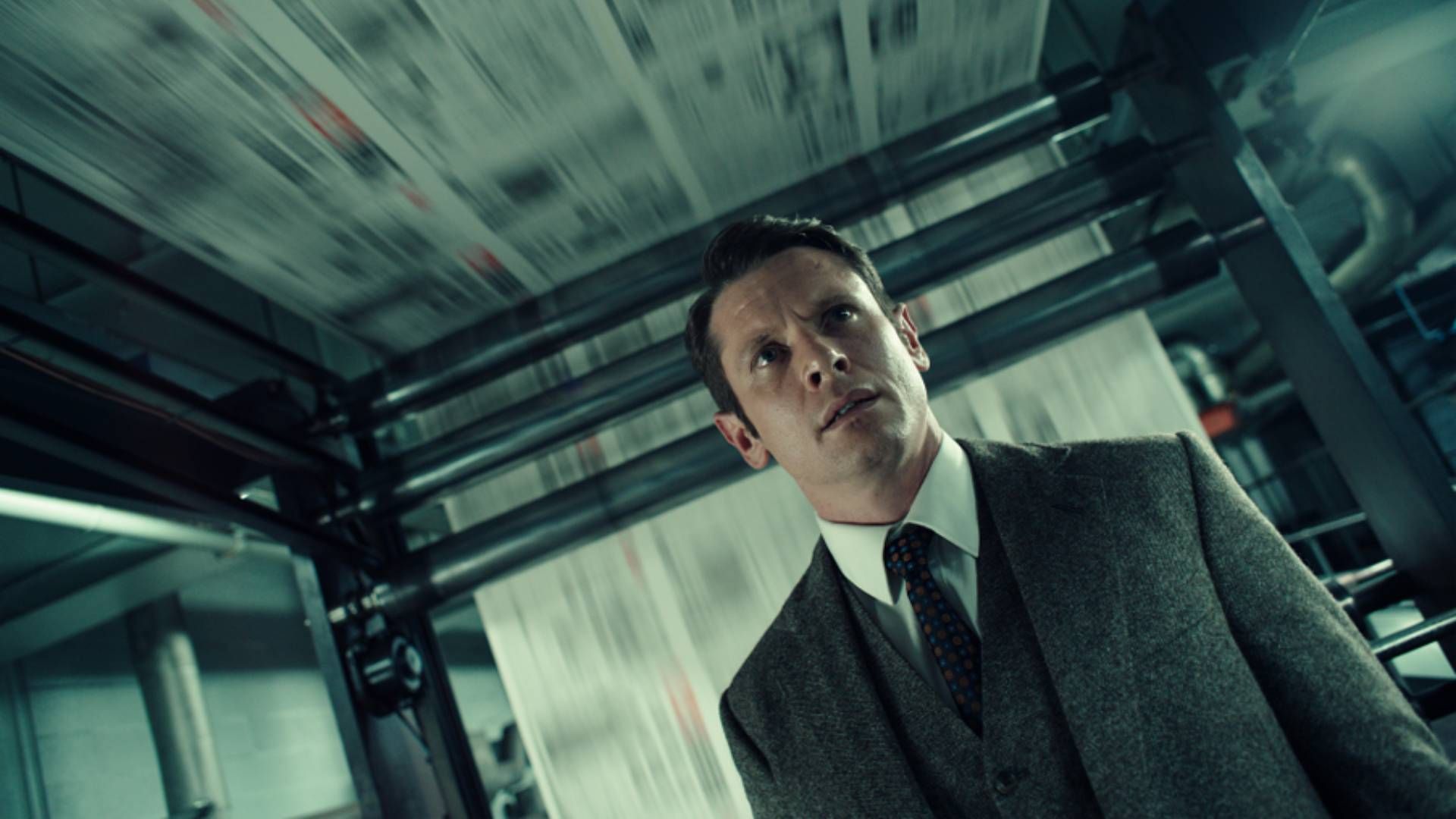
Following festival premieres at Venice and Telluride, director Danny Boyle addressed the disclosure of generative AI in the credits of his upcoming Netflix biographical drama Ink. Boyle confirmed using approximately 30 seconds of AI-assisted material across the production. Specific use cases included animating photographs and generating mice effects for the late-1960s and early-1970s period drama, which stars Jack O'Connell and Guy Pearce. Speaking about the workflow, Boyle characterized AI as a useful tool within the standard VFX toolbox when deployed respectfully, emphasizing that performers must be compensated if AI embodiments or replacements are utilized.
Why it matters
Boyle's disclosure highlights an evolving norm around transparently crediting machine learning tools in high-profile feature film pipelines. Rather than deploying generative models across entire sequences, using them for surgical micro-tasks—such as photo manipulation and specialized background VFX—illustrates how experienced directors integrate new tech directly into existing post-production workflows. Boyle's stance on compensating performers also underscores the central labor and contractual questions surrounding digital likenesses. For studios and visual effects supervisors, treating AI simply as another specialized technique keeps creative direction grounded while navigating emerging industry standards for attribution.
Antique Robots take
This is the practical approach we champion: choosing the right tool for a specific shot rather than chasing novelty. Using AI to animate archival photographs or execute 30 seconds of incidental mice effects is straightforward problem-solving, no different from choosing between practical miniatures, digital matte painting, or standard compositing. Boyle treats generative software not as an industry overhaul, but as another utility in the kit. The core tenets remain unchanged: protect creative intent, ensure performers and craftspeople are properly compensated, and focus strictly on what delivers the best result on screen.